Producing documentary films is a specialized practice that calls for a high degree of creativity and flexibility. Each project comes with its own particular conditions, so it’s up to the production team to design the approach that best fits the film. In this itinerary, we’ll look more closely at the different stages involved; development, financing, production, distribution, and sales, and at how producers navigate each of them.
The first step in producing a film begins with the selection of a project and the identification of its specific characteristics and its possibilities for financing and artistic-creative proposal and innovation. The next steps require taking into account the dimension of the project in order to plan a sustainable budget and tailor-made financing. The documentary can be approached in different ways depending on the model it represents, from an artisanal, industrial or self-produced production. At this stage, a crucial task is the development of attractive sales materials (dossier, pitch, teaser) to implement the planned strategy in the competitive ecosystem of funds, grants, markets, forums, festivals and platforms.
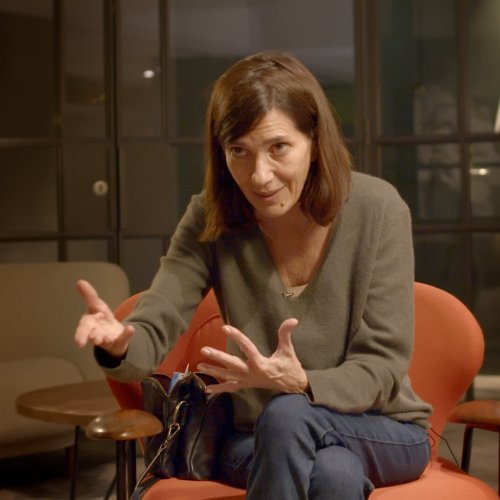
In this chapter, producer Christine Camdessus, industry expert Brigid O’Shea and other professionals discuss how to navigate documentary financing, from understanding your film’s vision and scale to creating pitch materials and presenting at markets. They explore practical strategies for tailoring your approach to each project while maintaining creative independence.
Once the documentary has been funded, the production team must establish a budget and create an appropriate production plan. As in the artistic field, the unpredictability of working with reality is critical in this organisation, so flexibility in management is essential throughout the three phases: pre-production, filming, and post-production. The selection of the technical team is another key factor, especially in productions where the human factor can be delicate or where deadlines are extended over time. Documentary film producing presents unique challenges, such as ethical concerns, rights management, and legal considerations.
In this chapter, producers Mario Adamson and Margot Mecca amongst other professionals discuss the practical challenges of documentary production, from managing unforeseen events and organizing resources to building crew relationships and navigating post-production.
The limited number of screens available for documentary film distribution has a significant impact on how films are presented to the public. As a result, it is critical that we devise an effective strategy for ensuring that the film we are producing is widely distributed. This final stage can be completed independently, through self-distribution, or with the assistance of a sales and/or distribution agency. In both cases, it is critical to identify the film’s target audience, devise a complementary strategy for screenings and viewings in various areas of interest, and create an appealing communication plan to reach the greatest number of viewers.
In this chapter, sales agent Ana Saiz, cultural journalist Mariona Borrull and others discuss how to identify your documentary’s audience, choose distributors, and develop distribution strategies across festivals, platforms and theaters. They explore creating communication plans, engaging with audiences, and learning from reception and critical feedback.
Usamos cookies técnicas y funcionales necesarias para el correcto funcionamiento del sitio. Estas cookies no requieren tu consentimiento. Puedes consultar más información en nuestra Política de cookies.