Filming

INTINERARY

2

Shooting is the key moment where all the work done during development, writing, and pre-production finally comes together. In documentary filmmaking, working with reality makes this stage especially unique and often unpredictable, hard to plan, and sometimes stretched out or fragmented over time. Because of this, it’s important to think carefully about the strategies that will make it possible to capture the reality you’re after, or even the one you imagine. This applies both to directing and production, as well as to decisions around cinematography and sound. At this point, the choice of tools, techniques, and materials becomes crucial, as they inevitably shape the film’s planning, its staging, and the construction of its visual and sound world.

Profiles
  • Directing
  • Cinematography
  • Sound

Filming

ITINERARY

2

CHAPTER 2.1

DIRECTING

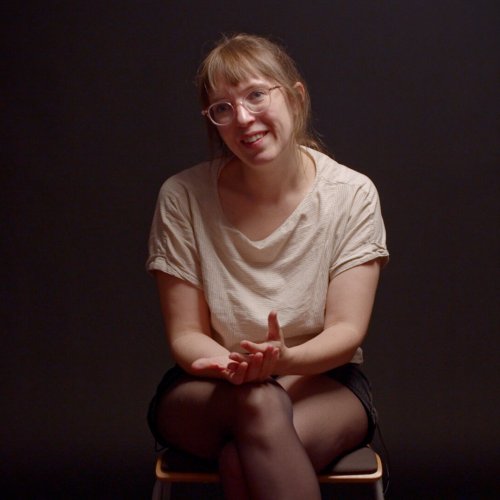
When it comes to filming, each reality can be approached from a different strategy. And each film can approach reality in a more or less literal way. The filmmaker’s preparation for the shooting, including planning, staging or possible interviews, may be exhaustive or flexible, calculated or leaving an almost unavoidable margin for improvisation. Thinking about the shooting from the director’s point of view is not simply an individual exercise, but always involves a continuous conversation with the team, which will turn the film into a collective exercise. In this chapter, directors such as Alejandro Alonso, Nicolas Philibert, and Lucija Stojevic share their approaches to directing. They discuss strategies for capturing action, dialogues, and unexpected moments, as well as the importance of their team. The conversation explores how filmmakers balance spontaneity with planning and staging, using a script as a creative tool. How do they rightfully portray characters through the camera, and how much agency do they give to the people appearing in their films?

Filming

ITINERARY

2

CHAPTER 2.2

CINEMATOGRAPHY

The design of photography in documentary filmmaking is sometimes conditioned by the unpredictability of working with reality. Capturing the image requires proposing a practice that is coherent with the film we want to make. The work of the cinematographer and camera operator involves making a series of decisions prior to shooting, both aesthetic and technical, that are in line with this, formally enhance the film and, perhaps, discover new unforeseen paths in previous phases.

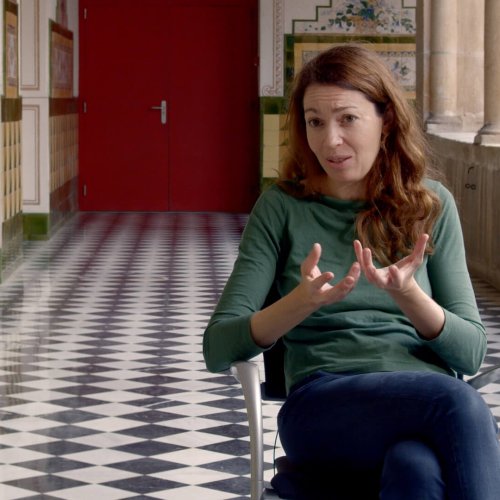
In this chapter, cinematographers Mauro Herce, Jessica Sarah Rinland, and Lara Vilanova talk about their craft in documentary filmmaking. They explore how they use light and camera to tell stories, how they collaborate with directors, and the decisions they make about equipment and technique based on various budgets. Through examples from their own films, they reveal what goes into their cinematographic choices.

Filming

ITINERARY

2

CHAPTER 2.3

SOUND

A documentary film’s sound design must be suggested early on in the writing process, with some support from the script. The work is expressively enhanced by the various aesthetic possibilities of sound, such as music, sound ambience, words, or silence. However, as with the rest of the technical contributions to the cinema of reality, shooting is primarily a space for creation and discovery.

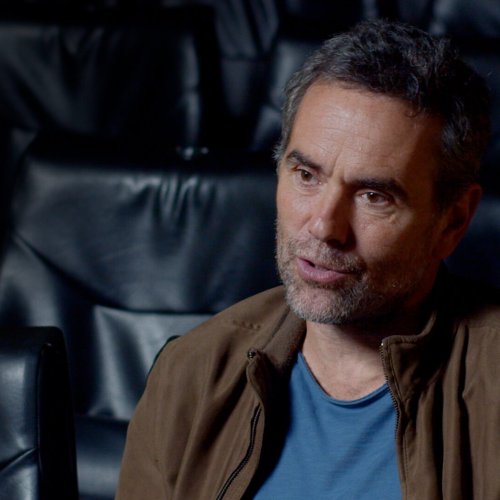
In this chapter, directors Nicolas Philibert, Emilio Fonseca, and Messaline Revardy talk about the role of sound in documentary filmmaking. They explore how they build a film’s sound universe, from choosing microphones and recording techniques to working with sound designers and collaborating during the creative process, as well as navigating the challenges of recording sound when working solo.
First of all: Make sure that this film has not been registered before on this platform

Unique field. Cannot be modified once created.
Maximum file size: 5 MB
English synopsis *
SPANISH synopsis
Maximum file size: 5 MB
max 5 files
DOCTHINKS CREW
OTHER CREW
the transfer of my personal data to DOCTHINKS collaborators for the purpose of receiving relevant information about opportunities, events, or projects in the audiovisual and cultural fields, as well as to be considered for future collaborations and joint activities.
to the publication of my image and other personal data on the DOCTHINKS Website, channels, social networks or promotional materials or media and press media, for promotional purposes.
to receive commercial information about similar products and/or services.

Basic information about the processing of personal data:
Responsible:EL OBRADOR DE LO REAL SLU.
Purpose:to respond to your comment, question or request for information or budget.
Legitimation: our legitimate interest in attending to your request and the application of pre-contractual measures. If you check the box related to the reception of commercial communications, the legal basis of the treatment will be your consent.
Recipients: No data will be transferred to third parties except legal obligation.
Duration: for 24 months from your last message, for the duration of the business relationship or, in any case, until you request that I delete your data.
Rights: access, rectification, erasure, restriction of processing, opposition, portability, to not be the subject of automated individual decisions without your consent and to file a complaint with a supervisory authority.
Additional information: In my Privacy Policy, you will find additional information about the collection and use of your personal information, as well as the rights you have in relation to such data.

0.00
0.00
0.00